Hunger and Domestic Violence: How Today’s Food Aid Builds Dams, Fills Bellies & Empowers Women
Patience Mauhura has a message for women: Don’t wait for your husbands. Think outside the box. Use your hands and your brains. It’s time to work hard.

Patience Mauhura has a message for women: Don’t wait for your husbands. Think outside the box. Use your hands and your brains. It’s time to work hard.
A new report hammers home the need for billions of dollars in investment to keep hunger from deepening its tentacles further into vulnerable locations across the world.

The sheer scale and complexity of the challenges in Africa and other regions will stretch the resources and capacity of WFP and other agencies to the limit.
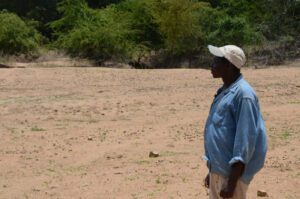
Millions of Zimbabweans face an increasingly desperate situation unless adequate funding for a major relief operation materializes quickly.
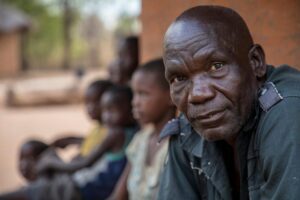
With nearly 8 million people — half the country’s population — severely food insecure, families can do nothing but pray for rain. For the third consecutive year, Zimbabwe is experiencing drought – the worst the country has seen in 40 years.
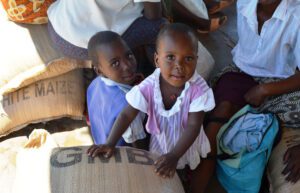
As a result of this year’s severe drought, economic downturn and Cyclone Idai, around 8 million people have been pushed into severe hunger in Zimbabwe.
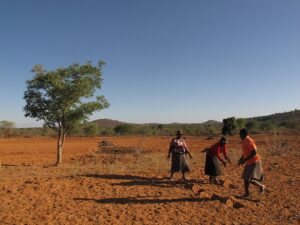
Zimbabwe’s hunger crisis – the worst in more than a decade – is part of an unprecedented climate-driven disaster gripping southern Africa. WFP plans to more than double the number of people it is helping by January to 4.1 million.
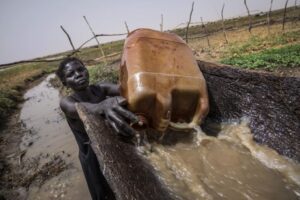
Extreme weather events are rapidly increasing hunger and malnourishment. From hurricanes and flooding to droughts and desertification, these six stories portray the very real, very human impacts of a warming world.

The contribution, provided through the USAID Office of Food for Peace, will support immediate food needs in the most affected areas of Manicaland Province.
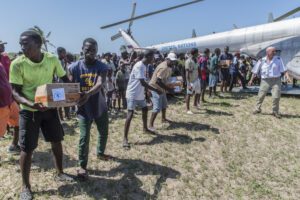
Almost 60 WFP staff have been deployed to Mozambique and 45 more are on the way. WFP requires $140 million to continue life-saving operations for the next three months.