Ethiopia

Crisis in Northern Ethiopia

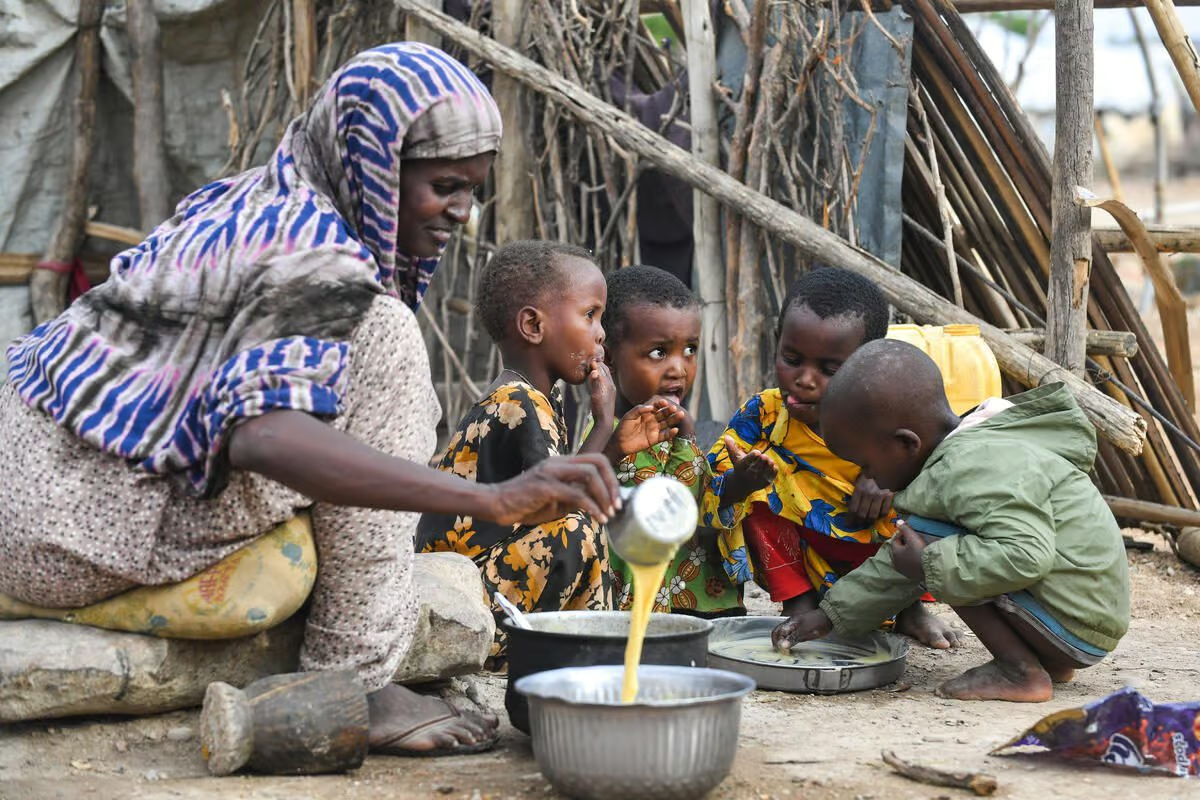
Conflict, displacement, climate extremes and economic shocks are driving a hunger crisis in Ethiopia.
Make a difference in Ethiopia

Hunger Stats

Ethiopia is facing a tragic combination of conflict and climate shocks. Nearly 16 million people are food insecure because of drought, floods, conflict and economic shocks.

Ethiopia Facts

New York
Show Places
New York
×
Geocoding Error Occured.

Tried to Geocode:

Error Type:

Please be sure to follow the tutorial on how to setup the Google APIs required for the Advanced Google Map Widget.

Google Map API Key Tutorial
Population: 135 million
Background: Ethiopia has been a country for over 2,000 years, and was only briefly colonized during World War II.
Geography & Climate: Ethiopia is located in the Horn of Africa. The country has diverse terrain, from high plateaus and rugged mountains to arid lowlands. The climate also varies widely—cool in the highlands, hot and dry in the lowlands, and prone to both seasonal rains and recurrent droughts.
Economy: Ethiopia’s has a large economy driven by agriculture, with coffee as one of its major exports. Despite growth, unemployment is a challenge and about 2/3 live in poverty.

Causes of Hunger

History of Hunger

WFP’s Work in Ethiopia

We’ve been present in Ethiopia since 1968, using food assistance to empower women, transform areas affected by the climate crisis and keep children in school.
Sudan, Um Rakuba Refugee Camp, Gedaref State, 18 November 2020

In the photo: Ethiopians fleeing intense fighting in their homeland of Tigray, gather in the neighbouring Sudanese Um Rakuba Refugee Camp, Gedaref State.

Photo: WFP/Leni Kinzli

WFP is providing food for Ethiopian refugees who are being resettled in Um Rakuba Refugee Camp in Gedaref State, Sudan after crossing the border from Ethiopia. People who newly arrive are receiving hot meals and high energy biscuits and will receive one month of dry rations including lentils, sorghum, oil and salt once they receive cooking utensils to prepare their own food.
Refugee Assistance
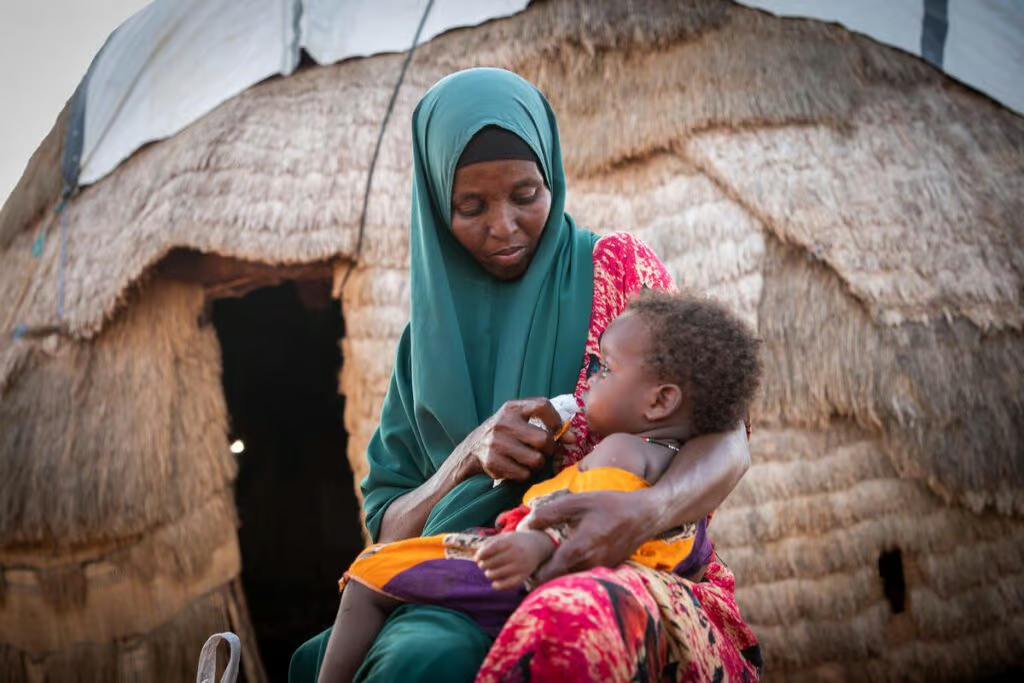
WFP works closely with partners to support refugees and asylum seekers in Ethiopia. WFP has scaled up to assist nearly 1M refugees.
Learn More
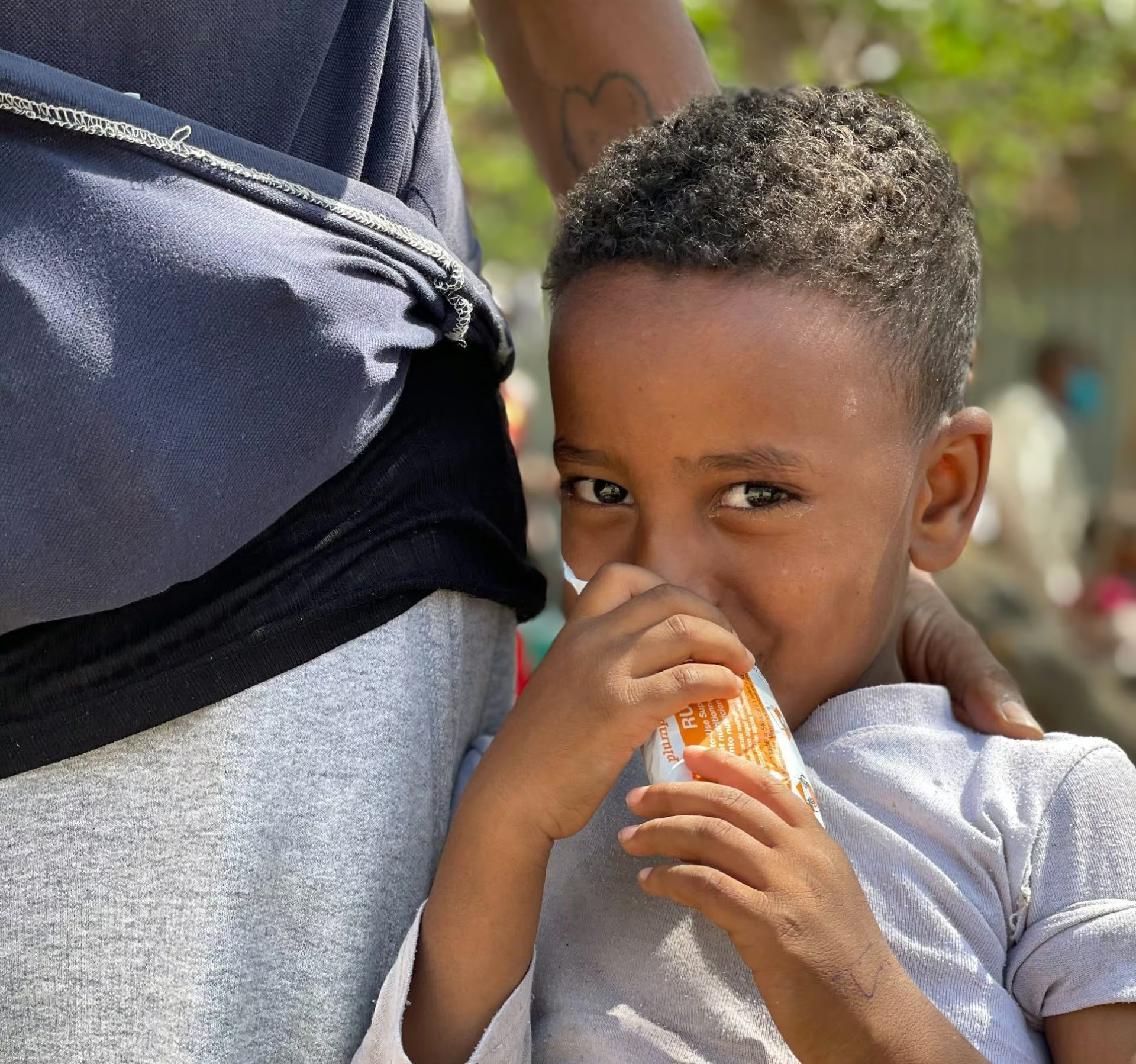
boy smiles while holding snack bar
Specialized Nutrition
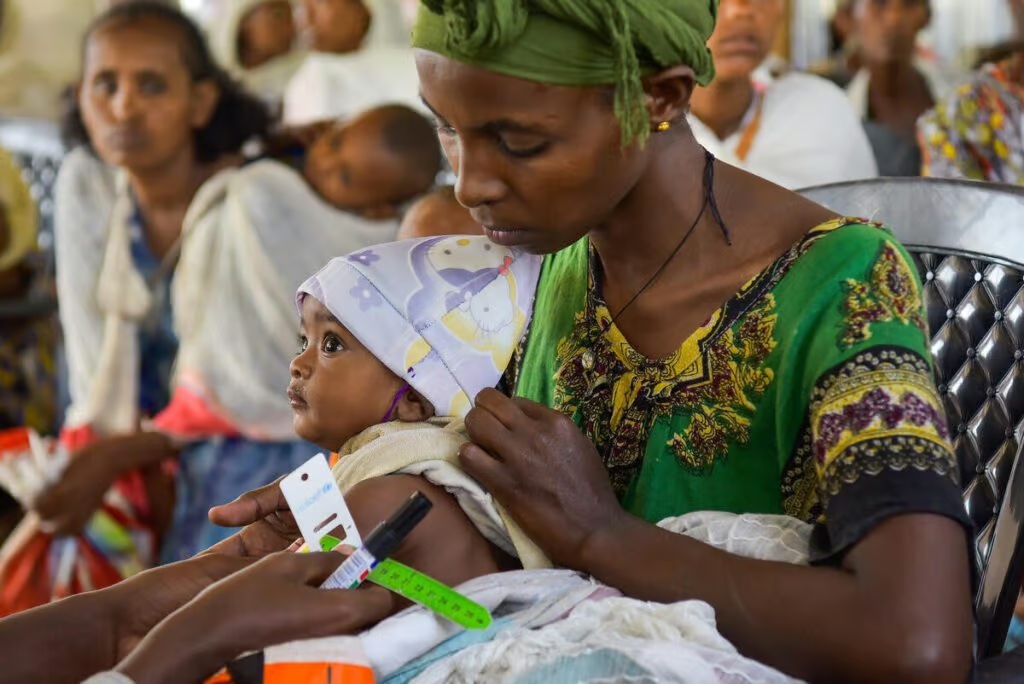
WFP offers nutrition support to the most vulnerable Ethiopians including pregnant women, nursing mothers and children under 5.
Learn More
Refugees sit outside a WFP mobile storage unit. One man walks in front of them.
Emergency Response
WFP provides food and cash to the most vulnerable families. Stocks of food are prepositioned in case of conflict or climate shocks.
Learn More
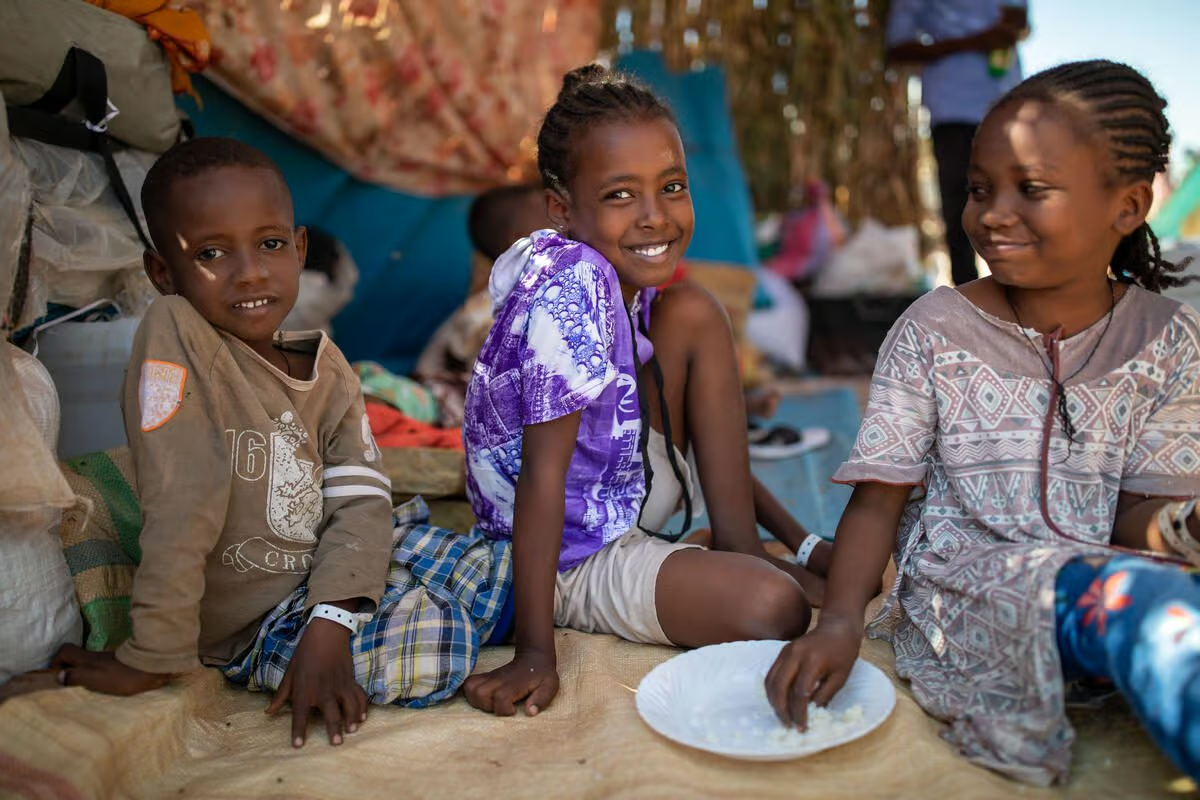
Siblings Berhane* (left, age 6), Halima (middle, age 10) and Makeda (right, age 8) eating rice in a temporary shelter in Um Rakuba refugee camp. The children's mother Fema has received rations from WFP including millet and oil, to feed her family. WFP continues to support thousands of Ethiopian refugees in Um Rakuba settlement, Sudan, who have fled conflict in the Tigray region, Ethiopia.

*Names changed for protection reasons

The conflict in the Tigray region of Ethiopia that escalated on 4 November, has forced nearly 46,000 Ethiopians to flee across the border into Sudan (as of 1 December). WFP partners are cooking hot meals for refugees arriving at reception centres, using food provided by WFP. Where cooking facilities are not available, WFP supplies fortified high-energy biscuits. Once refugees reach the camps after passing through reception centres, they receive rations including lentils, sorghum, oil and salt.
School Meals
WFP aims to provide about 800,000 schoolchildren with daily school meals, with a focus on conflict-affected areas in northern Ethiopia.
Learn More

Latest News From Ethiopia

Refugees in Ethiopia Face Rising Hunger as WFP Forced to Reduced Rations

Scroll to Top