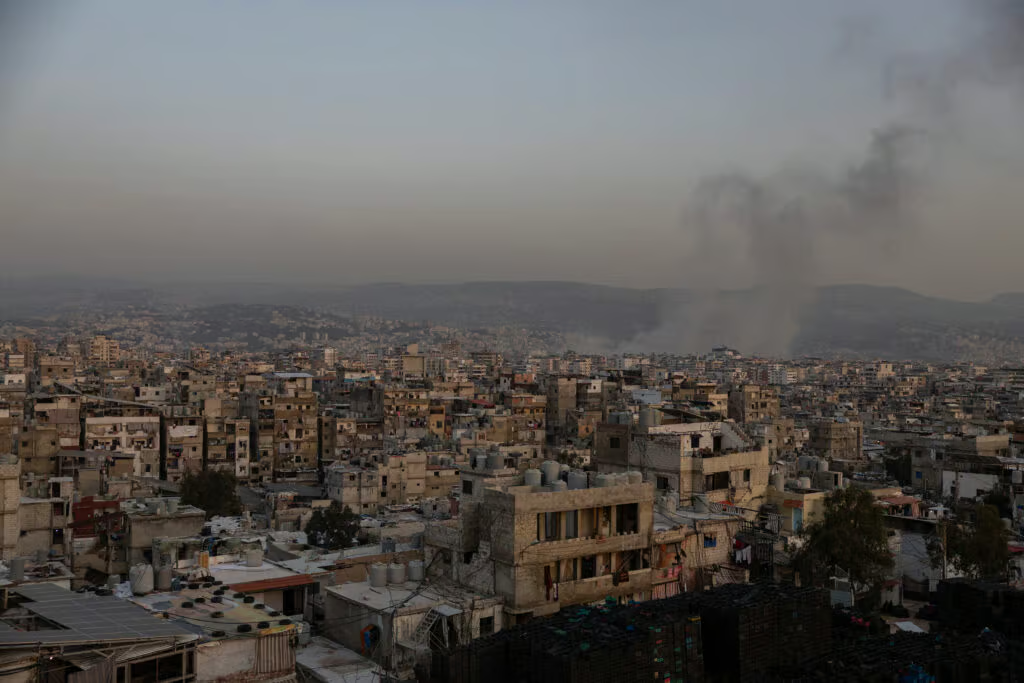
Global Disruptions to Supply Chains Are Driving Tomorrow’s Hunger Crisis
This is a transcript of what was said by Corinne Fleischer at today’s press briefing at the Palais des Nations in Geneva.

This is a transcript of what was said by Corinne Fleischer at today’s press briefing at the Palais des Nations in Geneva.
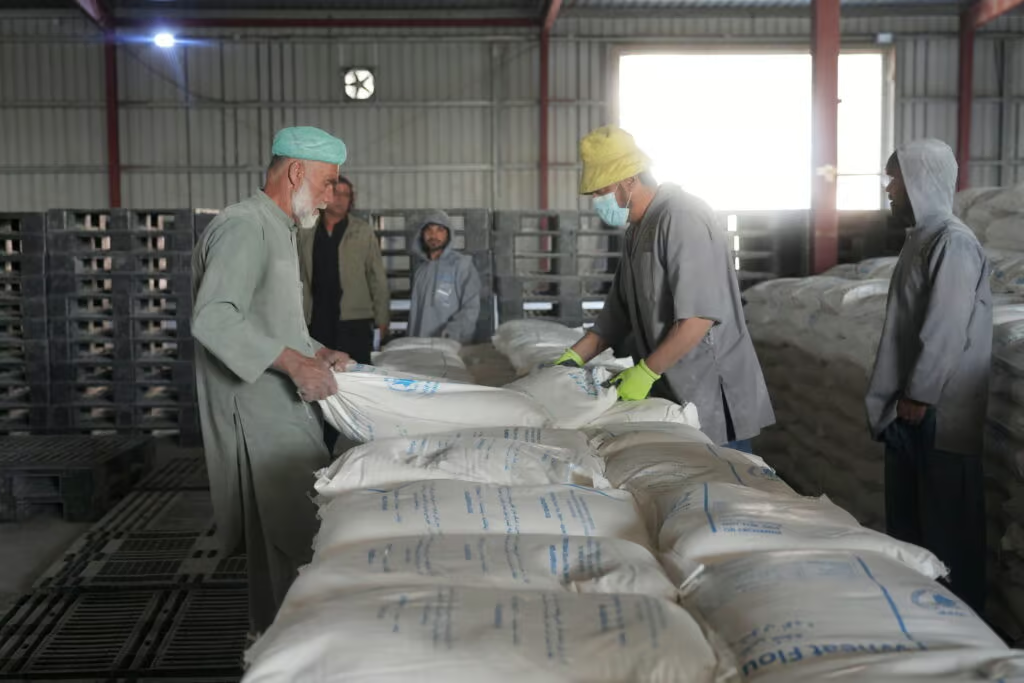
WFP has begun rapidly mobilizing a large-scale emergency response for communities in Afghanistan impacted by the conflict with Pakistan.
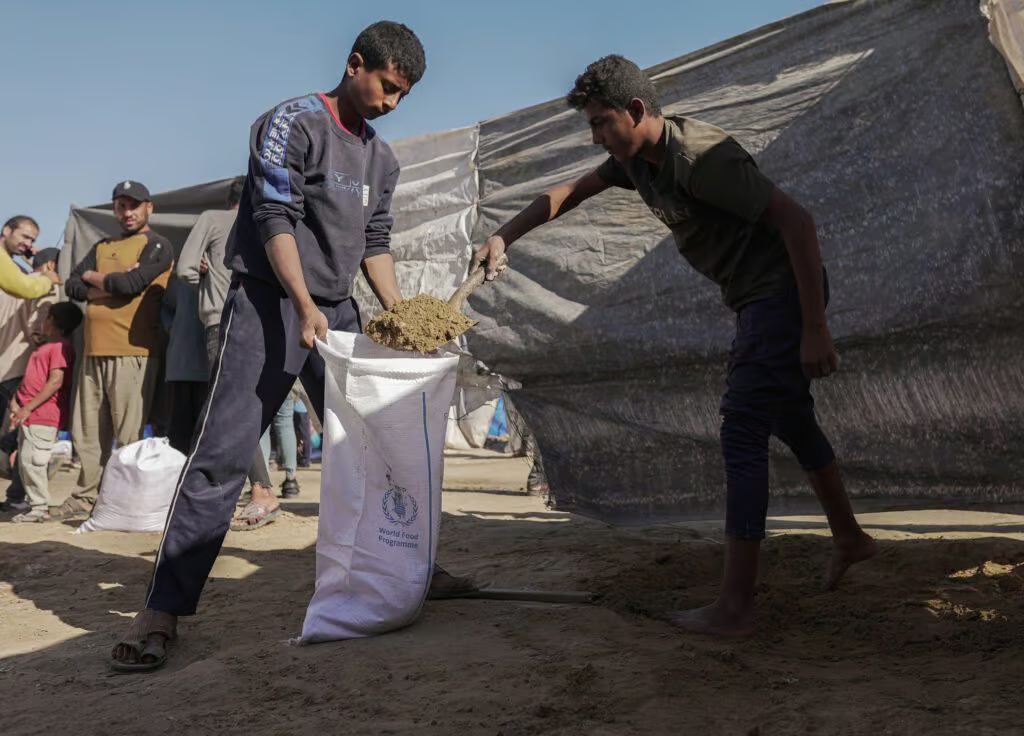
WFP warns more than 17 million Afghans are facing acute food insecurity this winter, as the scale and severity of hunger and malnutrition deepens.

World Food Program USA provided $3.9 million to sustain WFP’s school meals program in Afghanistan. To learn more about the impact of our grant amidst rising hunger in the country, we spoke with WFP Country Director John Aylieff.

New WFP report, ‘A Lifeline at Risk’, finds that 13.7 million WFP food aid recipients could be pushed into emergency levels of hunger.
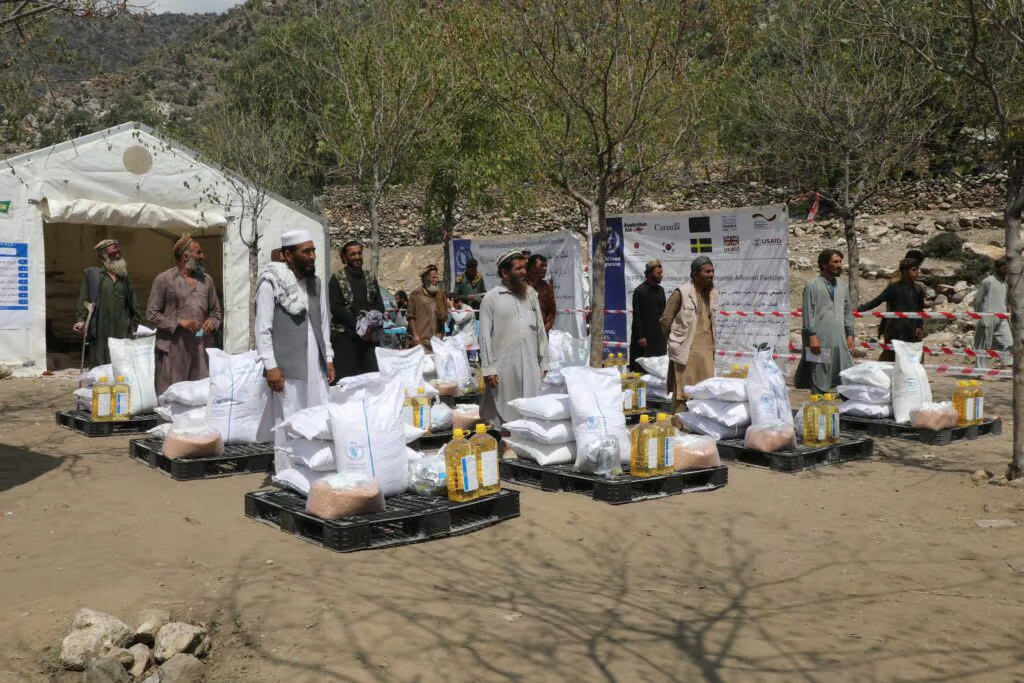
One month since a powerful 6.0 magnitude earthquake struck eastern Afghanistan on August 31, the World Food Programme continues to rapidly deliver food assistance to affected communities and support logistics for the broader humanitarian response.
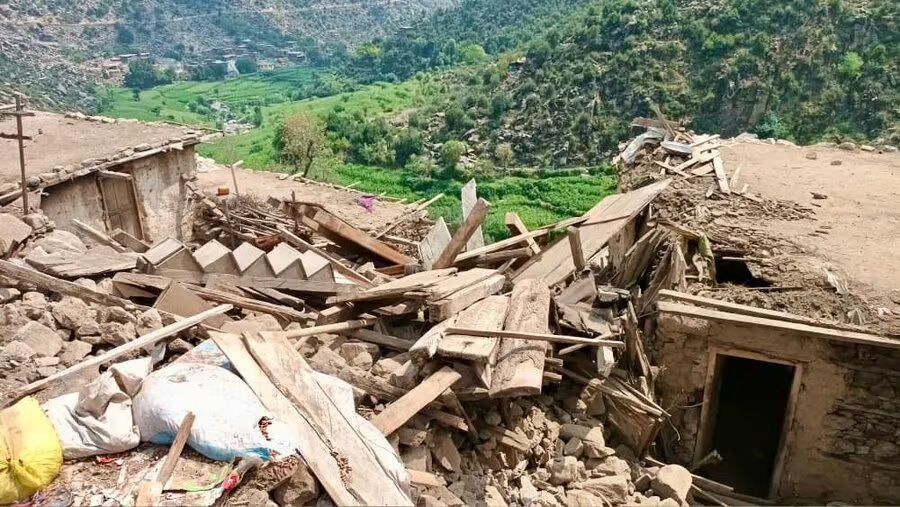
The World Food Programme is rushing food to affected communities in eastern Afghanistan, following a powerful, 6.0 magnitude earthquake late Sunday, August 31 that killed hundreds of people and injured or otherwise affected thousands more.
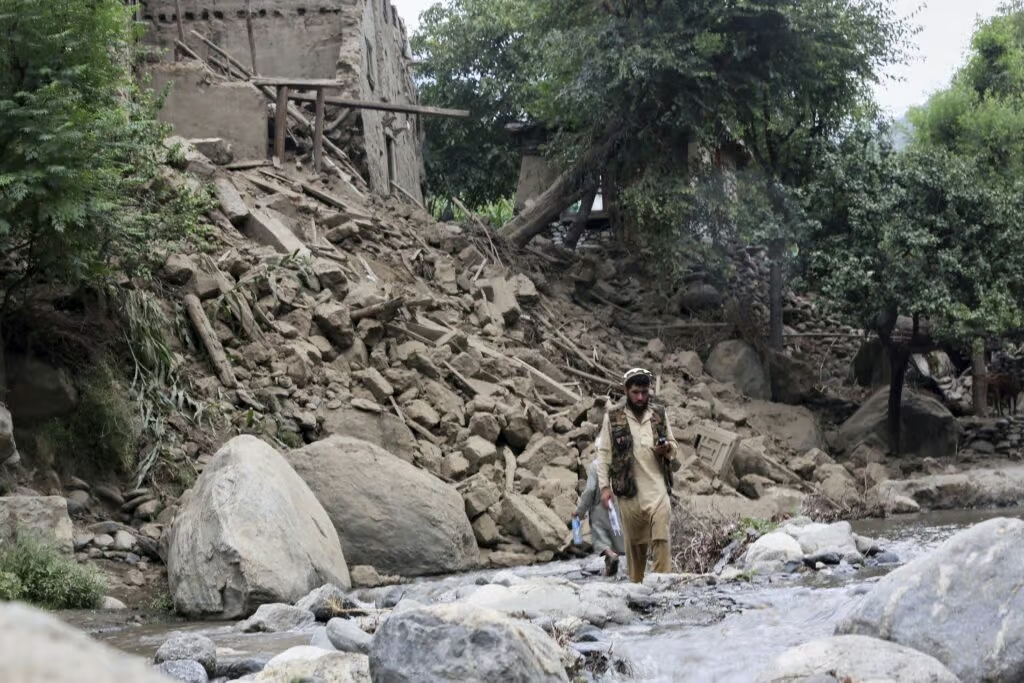
We are deeply saddened by the tragic earthquake that struck eastern Afghanistan the evening of August 31, leaving hundreds dead and thousands injured. The World Food Programme (WFP) is on the ground supporting affected communities.
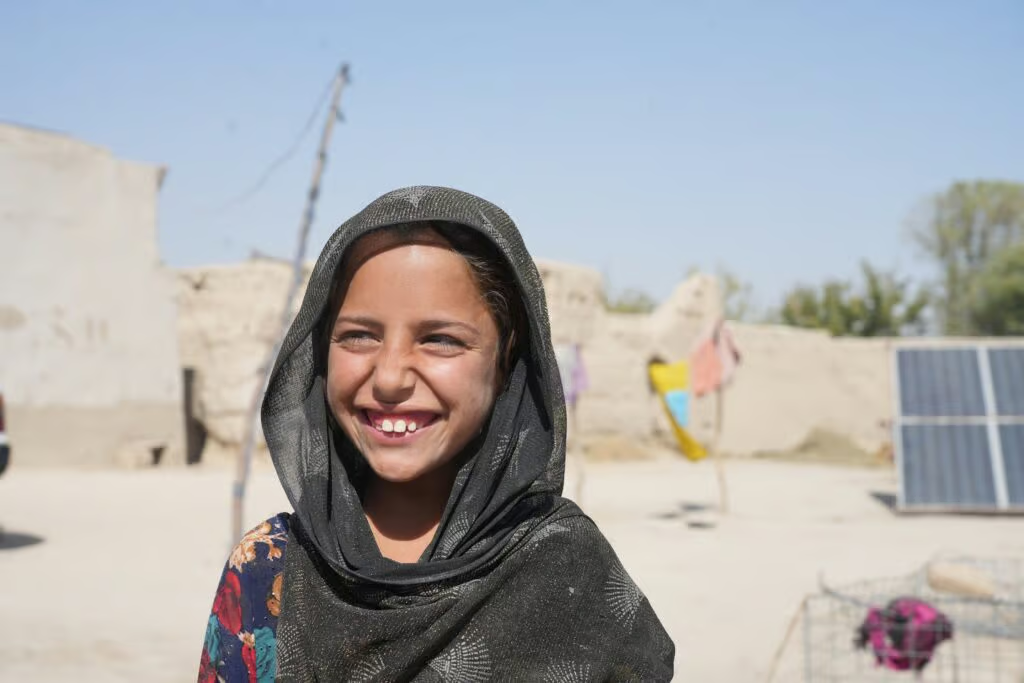
Decades of conflict have caused extreme hunger in Afghanistan, and this is compounded by recent natural disasters.

WFP in Afghanistan welcomes a contribution of $280 million from the United States of America through the U.S. Agency for International Development (USAID). This funding will allow WFP to support more than 3 million people.