Global Disruptions to Supply Chains Are Driving Tomorrow’s Hunger Crisis
This is a transcript of what was said by Corinne Fleischer at today’s press briefing at the Palais des Nations in Geneva.

This is a transcript of what was said by Corinne Fleischer at today’s press briefing at the Palais des Nations in Geneva.
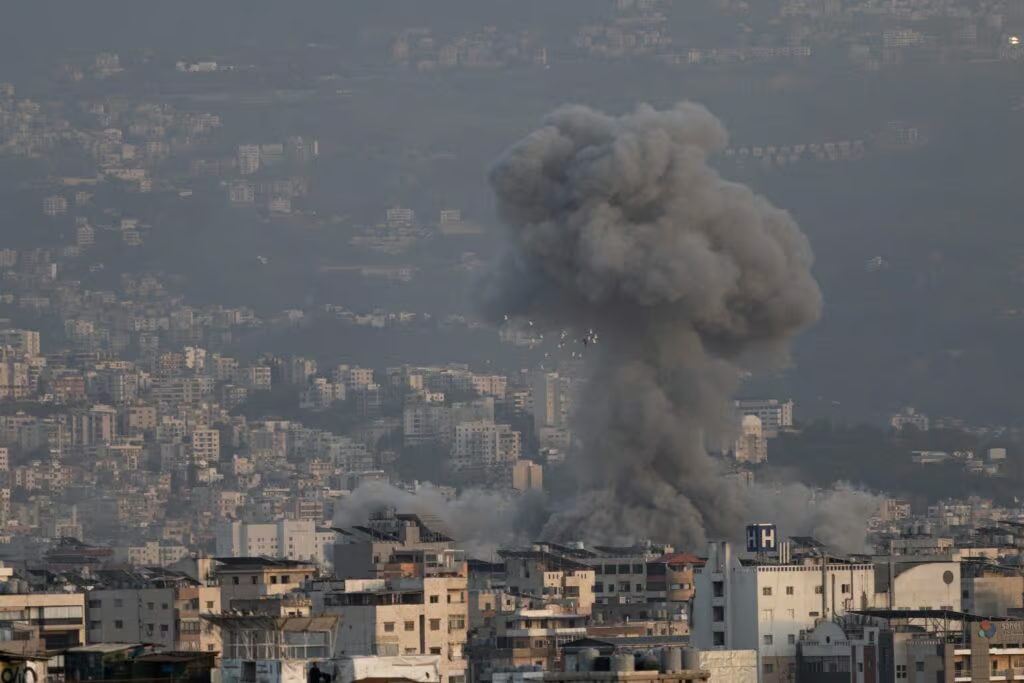
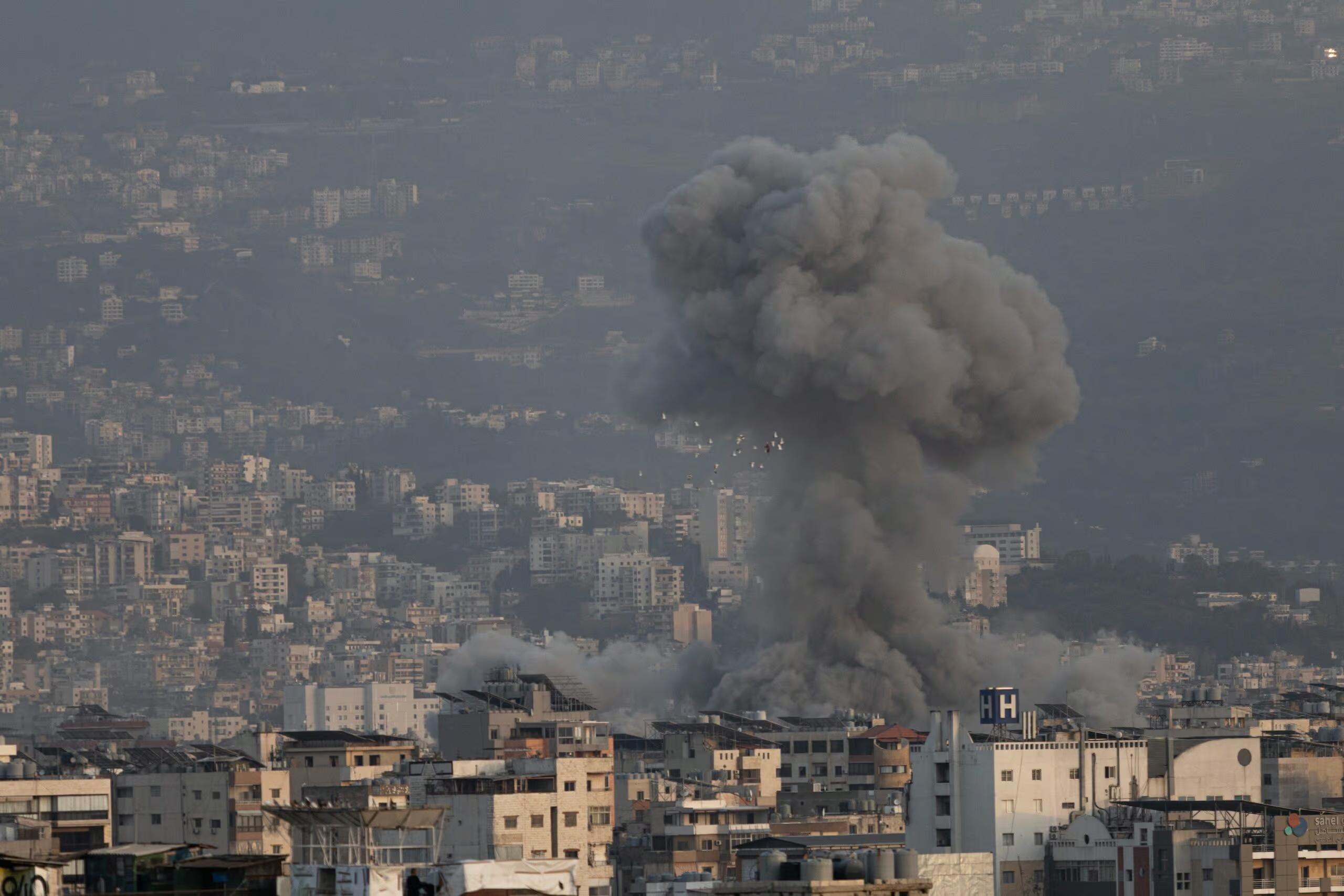
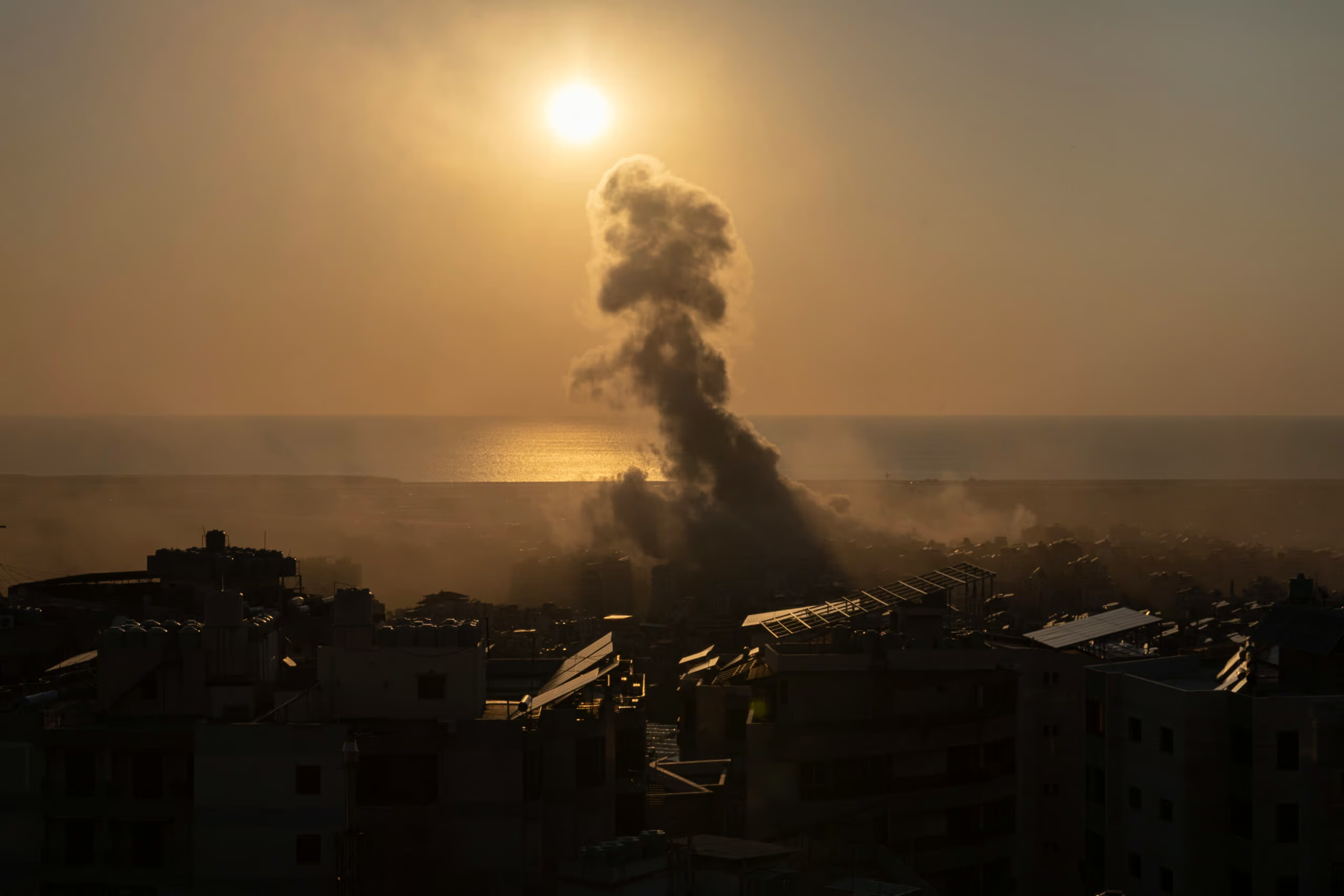
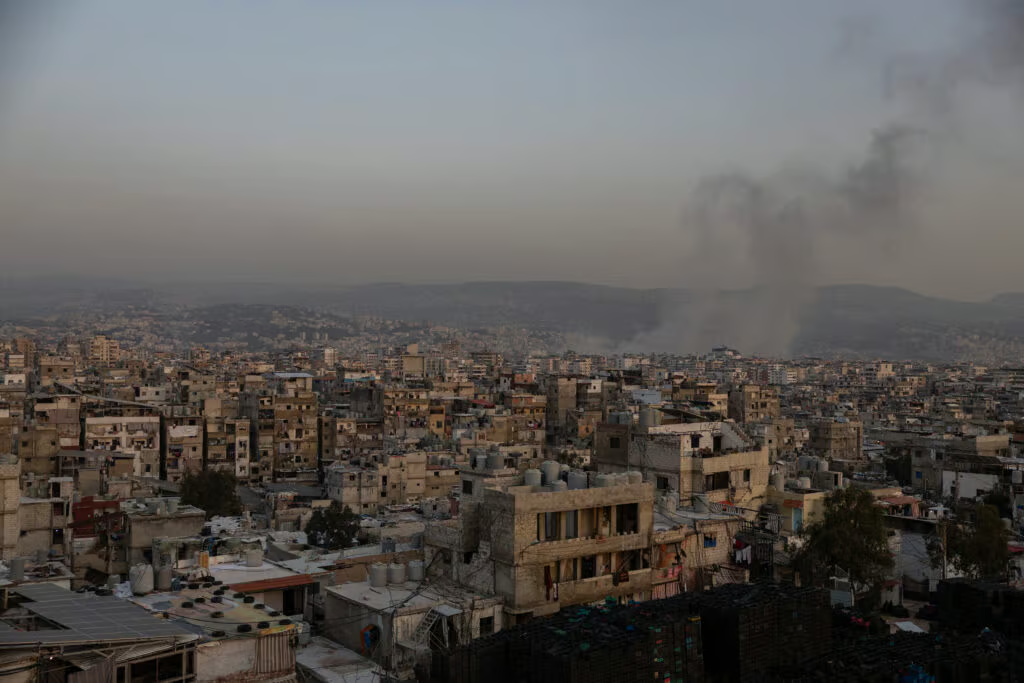
The recent escalation of conflict in the Middle East has triggered far-reaching consequences for communities both within and beyond the region. The crisis is rapidly evolving. Below,

In Lebanon, Syria, Iran and beyond, WFP is reaching the most vulnerable people, but supply chain bottlenecks risk roiling economies, threatening food security and jeopardizing operations.
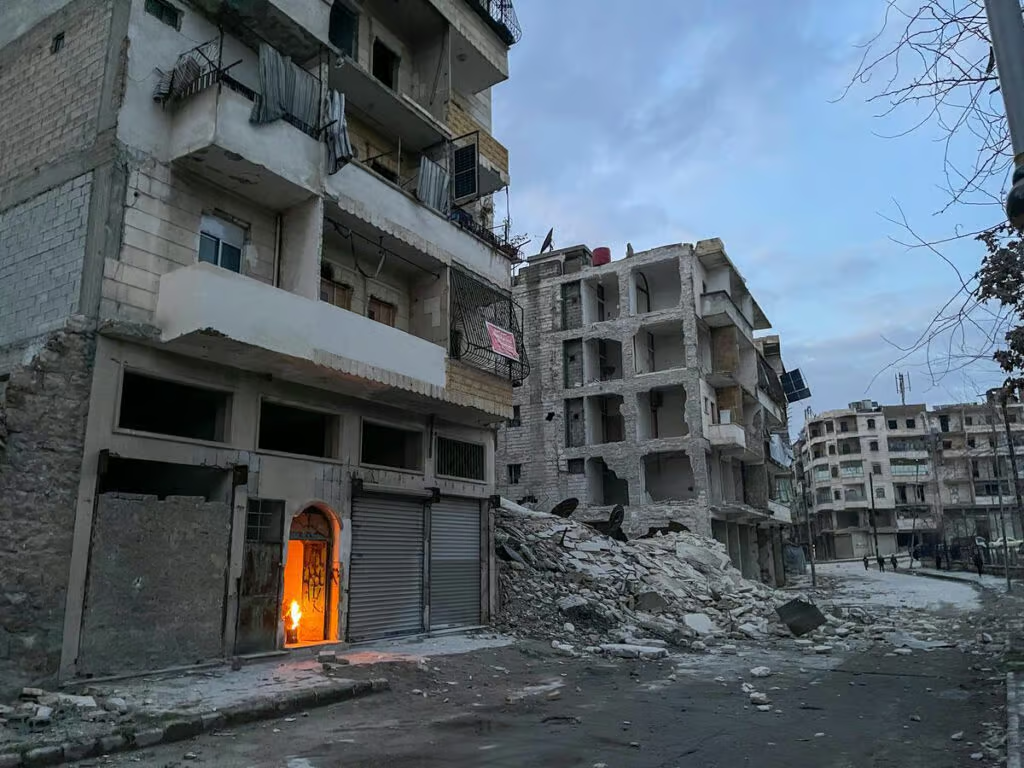
After eleven years of conflict, 12 million people within Syria don’t have enough food.
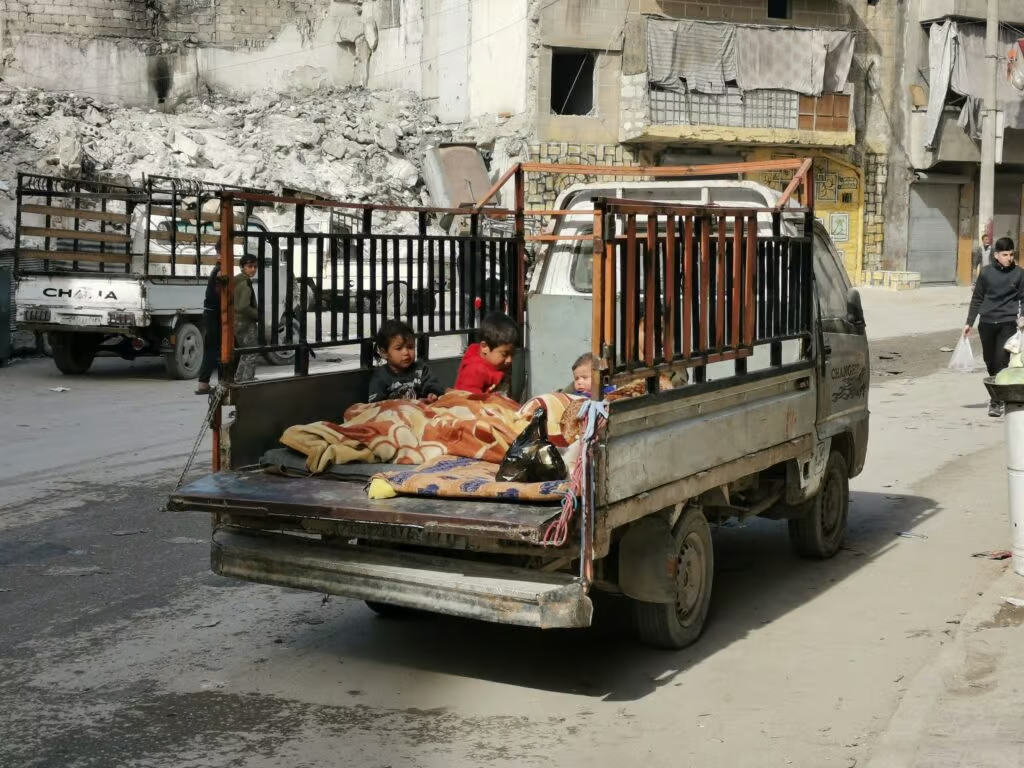
An abrupt end to the Syrian civil war, which has lasted over a decade and caused a humanitarian catastrophe and refugee crisis. How has it impacted civilians?
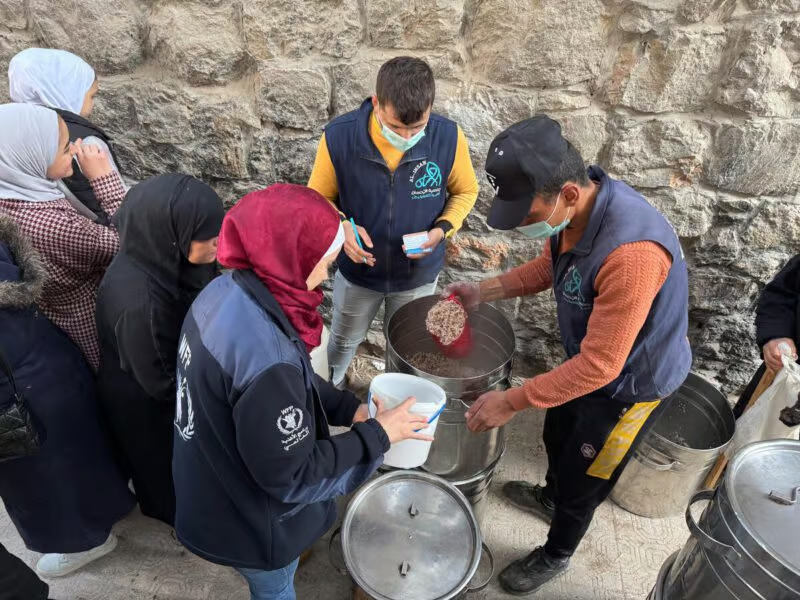
The United Nations World Food Programme (WFP) is scaling up its food assistance programs to reach 2.8 million displaced and food-insecure people across all of Syria.

The conflict in Lebanon has pushed tens of thousands of people across Lebanon’s eastern border into Syria.

WFP calls for an increase in humanitarian assistance for Syria as its people grapple with the devastating impact of recent earthquakes and a 12-year-long conflict.
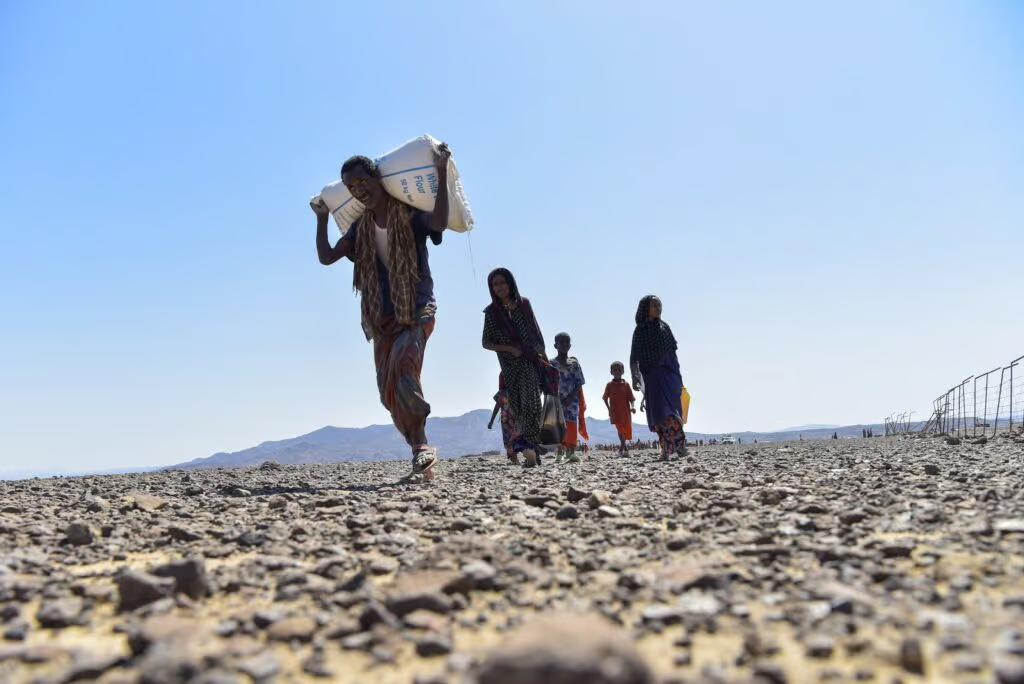
These are the 10 worst hunger crises in the world today based on where the U.N. World Food Programme works and has collected recent data. The crises are ranked by the total number of people facing severe hunger in each country.

WFP has stepped up its emergency response to support nearly half a million people in Syria and Türkiye affected by the devastating earthquake.