The United Nations World Food Programme: A Nonprofit or Part of the U.N.?
Have you ever wondered what exactly the United Nations World Food Programme (WFP) is? Or how it fits under the larger umbrella of the United Nations?

Have you ever wondered what exactly the United Nations World Food Programme (WFP) is? Or how it fits under the larger umbrella of the United Nations?
The SOFI report estimates that up to 811 million people went hungry in 2020 due to climate extremes and economic slowdowns exacerbated by the COVID-19 pandemic.

If human choices are mostly responsible for famine, then what choices can we make to end them?
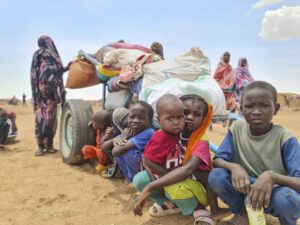
Famine is a form of widespread hunger, and by the time famine is officially declared, it’s too late: tens of thousands are already dying of starvation.
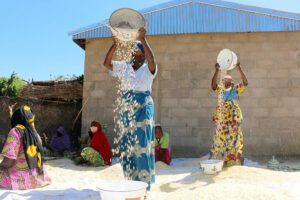
A resilience-building initiative backed by WFP and Korea is empowering communities recovering from displacement — and enabling new friendships.

Through a upcycling centers in Bangladesh, Rohingya refuges are transforming packaging waste into useful products.
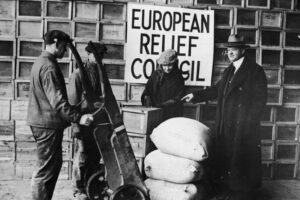
Hoover was dubbed “The Great Humanitarian” for his efforts to feed the citizens of Belgium after World War I and prevent famine.

President Eisenhower helped create a lasting legacy of food assistance throughout the world.

For decades, America has led the way in global humanitarian relief. These are five of the presidents who have paved the way in making America the generous nation it is today.

President Truman said of Europe, “Their most urgent need is food. If the peace should be lost because we failed to share our food with hungry people, there would be no more tragic example in all history of a peace needlessly lost.”