The Great Setback: How Coronavirus Sent Schoolchildren Home Hungry
The world had an expanding safety net, with school feeding a growing priority for governments. Then COVID-19 arrived and smashed it all.

The world had an expanding safety net, with school feeding a growing priority for governments. Then COVID-19 arrived and smashed it all.

One of the bitter realities of our work is that women and girls are more likely than men and boys to suffer from hunger. So everywhere we work, closing the hunger gender gap is one of our biggest priorities.

We’re doing everything we can to reach people with the most acute needs through emergency rapid response teams.

It might seem futuristic, but WFP’s “PLUS” software designs a “menu” of school meals that are healthier, up to 20% cheaper, and use as much as 70% locally-sourced ingredients.
Did you know that more than 50% of the world’s farm workers are women? Or that 62 million school-aged girls don’t go to class? See how stats like these impact women’s hunger.

The key to ending malnutrition isn’t a mystery, nor does it require any high-tech innovation. It starts with the first 1,000 days of a child’s life. And it starts with the mother.
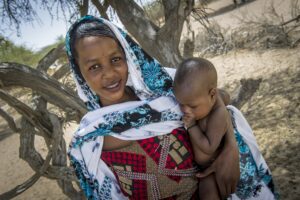
We need to remind the world of the exponential power of investing in adolescent girls. “If this was the stock market, you’d have investors flocking,” says one doctor.

Imagine cooking a meal without running water, electricity or even a countertop. Most of us wouldn’t know where to begin. And yet, millions of women around the world do it every day. See 10 of their kitchens.

Women face enormous obstacles, yet they are growing crops, delivering medical care, becoming teachers and providing for their families in situations we can hardly imagine.
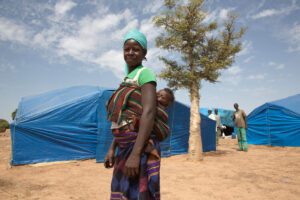
WFP never abandons hope. We’re applying it in spades to roll back one of the most severe hunger catastrophes in our six decades of existence.