How WFP Classifies Crises and Why COVID-19 Is at the Top
On March 30, WFP officially classified the COVID-19 crisis as an L3 emergency. But what, exactly, does this mean?

On March 30, WFP officially classified the COVID-19 crisis as an L3 emergency. But what, exactly, does this mean?

Two World Food Programme nutrition experts talk about how to protect the most vulnerable people – children – during the Coronavirus pandemic

With hundreds of thousands of people infected around the world, the novel Coronavirus (COVID-19) pandemic is threatening the globe. Here is some basic information on what COVID-19 is and how we can protect ourselves.
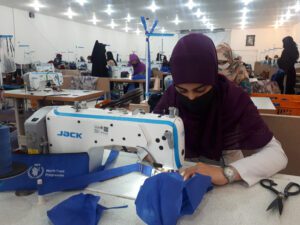
Iran has been one of the countries hit hardest by COVID-19. In that context, 70 refugees have come forward to give back to their community.

During this unprecedented time, it’s vital that WFP maintains its food assistance that offers a lifeline to millions. See how WFP is responding during the Coronavirus outbreak.
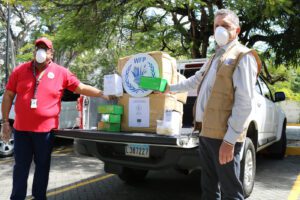
Right now, COVID-19 is affecting all of us. It makes no distinction between individuals or countries, and it is spreading quickly across the world.

As the coronavirus continues to spread, it is having dire consequences on the health and nutrition of school children and their families.
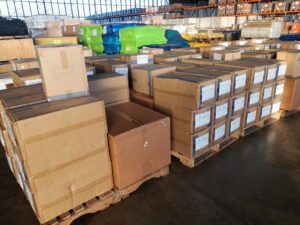
WFP is prepositioning food, delivering medical equipment, providing emergency food rations, and using its global logistics network to help the world’s most vulnerable populations cope with COVID-19.

“In some contexts, the economic consequences of this disease could end up hurting more people than the disease itself,” says WFP’s Chief Economist.

This women’s history month, Rohingya women share their stories of feeding their families under the most extreme conditions imaginable. How will history remember them?