The news about climate change is all around us. The world’s environmental experts have sounded the alarm over new weather patterns and their damaging effects:
- Deserts are expanding beyond their age-old borders, choking formerly fertile lands
- Droughts happen more frequently and last longer than they have in generations
- Monsoons, tropical storms and floods occur more often and hit with greater force
Our climate is ruinous for all these reasons and more. Climate starves livestock. It starves families, and it starves futures.
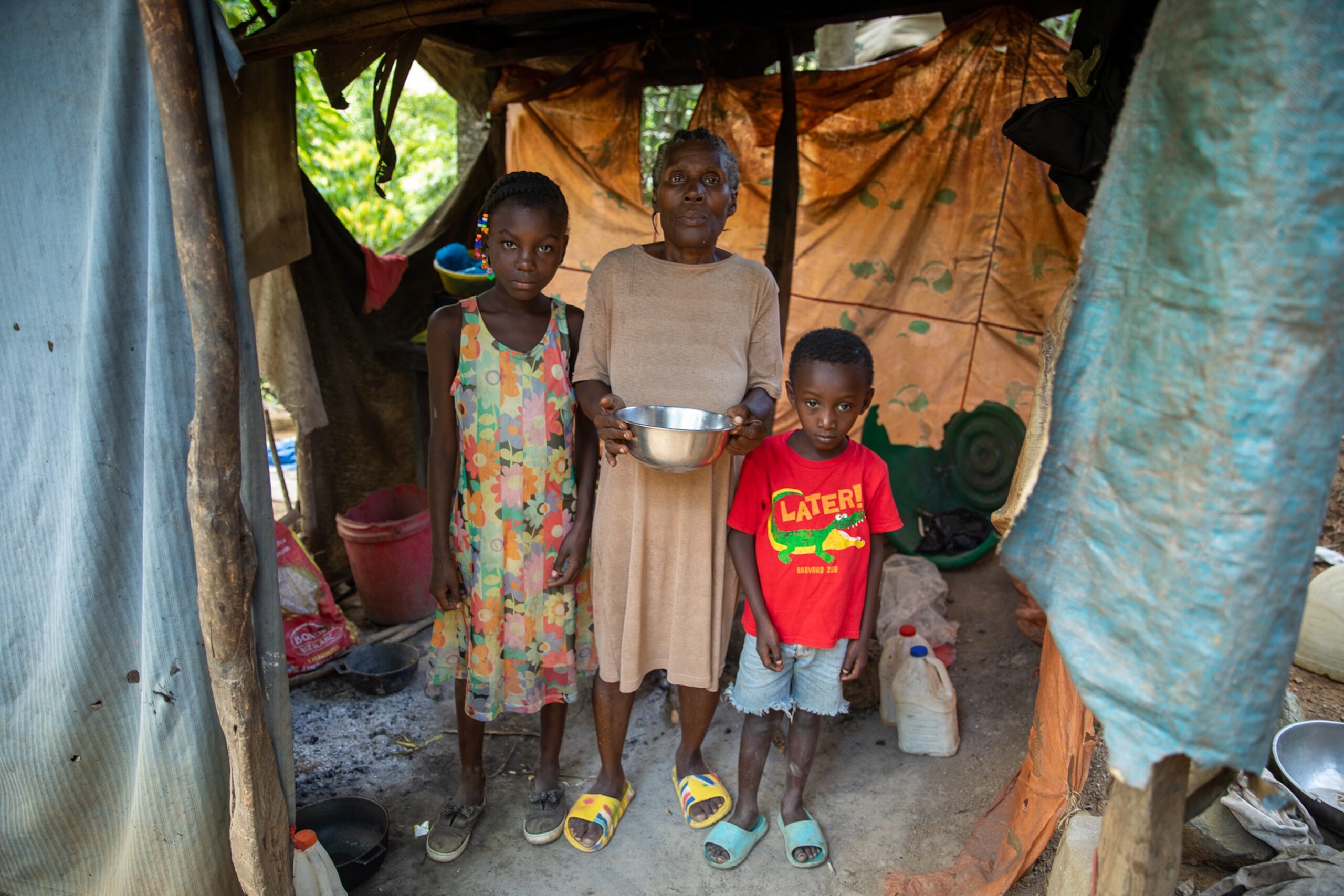
As rising temperatures cause spikes in unpredictable weather, the world’s most vulnerable populations are hit hardest. Those who have the tiniest environmental footprint – mostly small-scale farmers and poor communities – are the most impacted by environmental changes.
Right now, 80% of the world’s hungry people live in areas prone to natural disasters and extreme weather, which creates exactly the right conditions for hunger to take hold.
Here are the top five ways extreme weather leads to hunger:
1) Loss of crops forces children to leave school.
When crops can’t grow because there isn’t enough rain, families lose a vital source of income, which plays out on a global scale. A disproportionate amount of the world’s hungry people are poor, subsistence farmers living in rural areas who tend fields three-fourths the size of a football field or smaller. When families face deepening poverty, they need all members to help grow, store and sell their harvests. This often means children are taken out of school so they can fetch water and work in the fields.
Children who miss out on education have fewer job prospects, which perpetuates the cycle of poverty and hunger.

2) Competition for food and resources leads to violence and conflict.
Conflict is the #1 cause of hunger in the world. Climate shocks are the second. Their causes and effects are closely related. Many civil wars or internal conflict are often the result of competition for scarce food and resources. When extreme weather pushes people to desperation, it creates a tinderbox for violence. When it explodes, it can cause the value of currency to fall, inflation to rise, unemployment to grow and infrastructure to crumble.
Without these economic foundations, food becomes scarce or unaffordable, pushing vulnerable populations into hunger.

3) Unlivable environments force families to leave their homes.
Gardens dry up. Houses are washed away. Farms and fisheries flood. When families lose everything and face inevitable hunger, they leave their homes in search of food, safety and opportunity. As climate extremes like droughts, hurricanes and flooding become more frequent and more severe, more people will have no choice but to leave their homes.
In 2020 alone, extreme weather events displaced 30 million people – 3 times more than violence or conflict.

4) Hunger hits women hardest, perpetuating gender inequality.
Surveys in a wide range of countries have shown that 85 – 90% of the time spent on household food preparation is women’s time. Yet, in many places, outdated gender norms mean that women are hungrier when food is scarce. When water sources dry up due to droughts or heatwaves, it’s often the women who must walk farther to collect clean water for their families, and young girls leave school to help. In crises, women’s access to aid can be undermined by gender-based discrimination and sexual violence.
In some countries, tradition dictates that women eat last, after all the male members and children have been fed.

5) Economic instability is both a cause and effect of hunger.
Poor communities lack the resources and assets to cope with the impact of climate extremes. For them, there is no such thing as home owner’s insurance.
When disaster strikes, they are at a distinct disadvantage in the long, slow process of rebuilding their lives, which makes economic instability and hunger quick to follow.

Climate extremes set the stage for widespread food insecurity and civil conflict. The United Nations World Food Programme (WFP)’s resilience programs tackle these extremes from every angle possible. Here are just a few:
Food for Assets | Food for Assets provides food to people in exchange for work on community assets like bridges, dams and irrigation systems. These projects help communities withstand extreme weather and have extra benefits like promoting nutrition and gender equality.
Land Rehabilitation | The U.N. World Food Programme helps communities restore degraded land, diversify their crops and build community gardens. One project in South Sudan increased agricultural land by 27% in just two years to the equivalent of more than 15,000 football fields.
Food Waste | In Sub-Saharan Africa, farmers lose up to 40% of their harvest during the dry season, which continues to last longer every year. Air-tight bins now allow them to cope with the lack of rain and store their grain for months on end, cutting their losses to less than 2%.
YOU can help support these efforts. Climate starves the most vulnerable people in the world. To learn more about the work the U.N. World Food Programme is doing to help people recover from and build resilience to extreme weather, visit our Climate Change & Hunger issue hub.