It’s in the Bag! This Simple Storage System Is Slashing Food Loss.
Farmers in Sudan lose up to 40% of their crops every year. Our hermetic bags cost just $2 and reduce loss to less than 2%.

Farmers in Sudan lose up to 40% of their crops every year. Our hermetic bags cost just $2 and reduce loss to less than 2%.
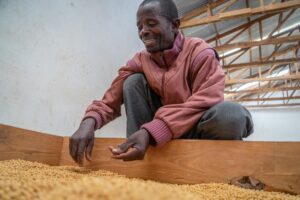
In Malawi, a group of farmers has learned how to fight food waste and turn a profit. The money now pays for things like food, school fees, soap and livestock.
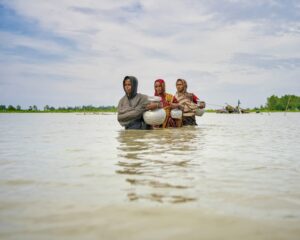
Lost and wasted food might not seem like humanitarian issues, but they are. The way we grow, store, transport, sell and consume our food all contribute directly to the health of our global climate. Here’s how.
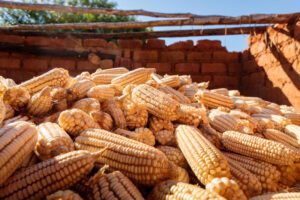
Global hunger isn’t about a lack of food. Right now, the world produces enough food to nourish every man, woman and child on the planet.

Fruits and vegetables that were previously thrown away are being transformed into nutritious meals in soup kitchens across Lima, Peru.

“I’ve not only seen the health of my children improve, but the health of my community. Our children are strong now,” says Emeldah.
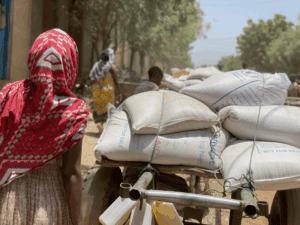
WFP has provided emergency food assistance to 1 million people since starting distributions in Northwestern and Southern zones of Tigray region in March.

Global hunger isn’t about a lack of food. There’s enough to feed all of us. Unfortunately, one third of all the food produced for humans never actually gets eaten.
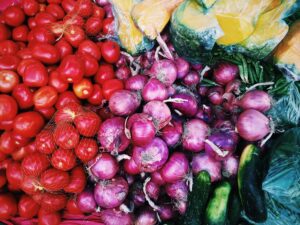
Morality, sustainability, access, privilege – we asked people around the world why it’s important not to waste food.

#StoptheWaste is a global campaign to raise awareness about the huge amounts of edible food that is discarded every day – a habit that must be overcome if we are to make real progress in eradicating global hunger.