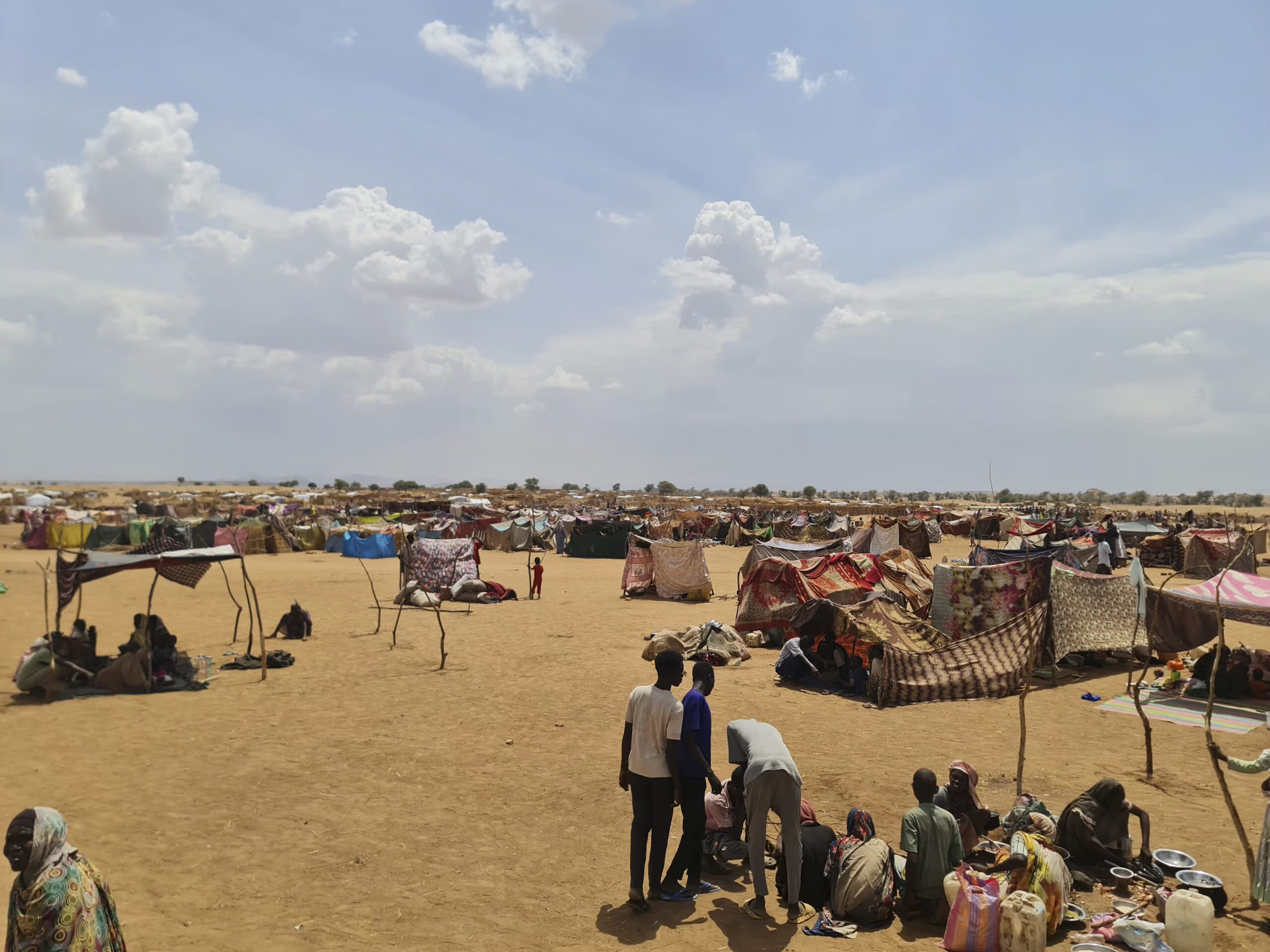
Climate change is an existential, global challenge that requires our immediate attention. With landmark legislation passed by Congress to help us meet emissions goals (through the Inflation Reduction Act), continuous news coverage of droughts, wildfires and other climate-driven disasters, and climate negotiations by world leaders underway in Egypt (COP27), it feels like the currents of real potential change are picking up speed. But is the public ready to get on board?
The problems of climate change can feel overwhelming. The predictions are scary, the solutions complicated and wide-ranging, and the actors perceived as untrustworthy. Despite a willingness on the part of many Americans to do their part to fight climate change, many don’t know where to start.
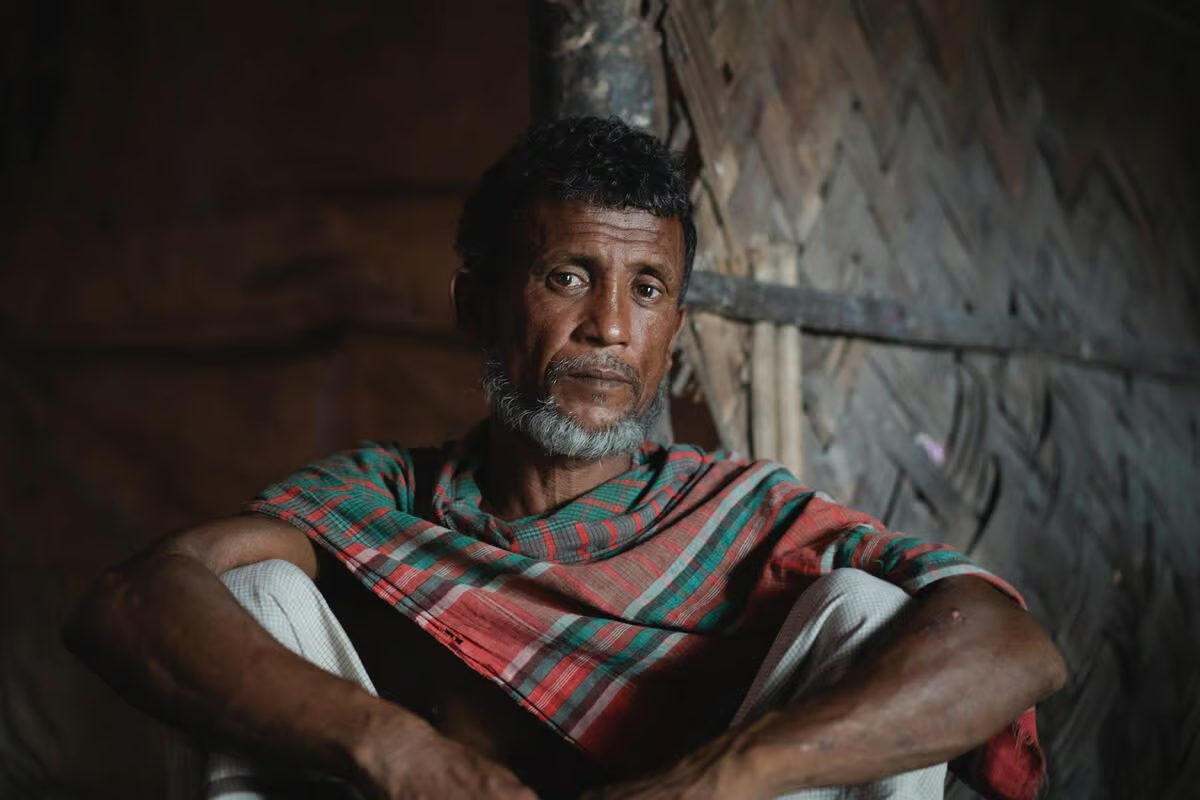
Our advice? With a topic as massive as global climate change, pick one area to focus on and dig in. One such area that is a natural fit for many of us is food. For the two of us, a far-traveling chef and the CEO of an anti-hunger nonprofit, it is an area where we have come together and found great motivation. When it comes to climate change, food is both a critical part of the problem and the solution.
Climate Change Is a Primary Driver of Global Hunger
Climate change affects the functioning of all components of global food systems, and food systems are a major contributor to global heating. Food availability, diversity, access, safety and nutrient quality are affected by climate shocks and stresses. At the same time, around one third of global greenhouse gas emissions are attributable to food systems – from tilling up soil to raising livestock.

Climate shocks like droughts and floods kill crops and livestock, degrade soils, damage infrastructure and drive up food prices. When that happens, conflict, displacement and mass migration often follow. People will not stand idly by when they cannot feed their families. If the average global temperature rises by 2°C from pre-industrial levels, an additional 189 million people are expected to be pushed into hunger. In a 4°C warmer world, this figure could rise to a staggering 1.8 billion.
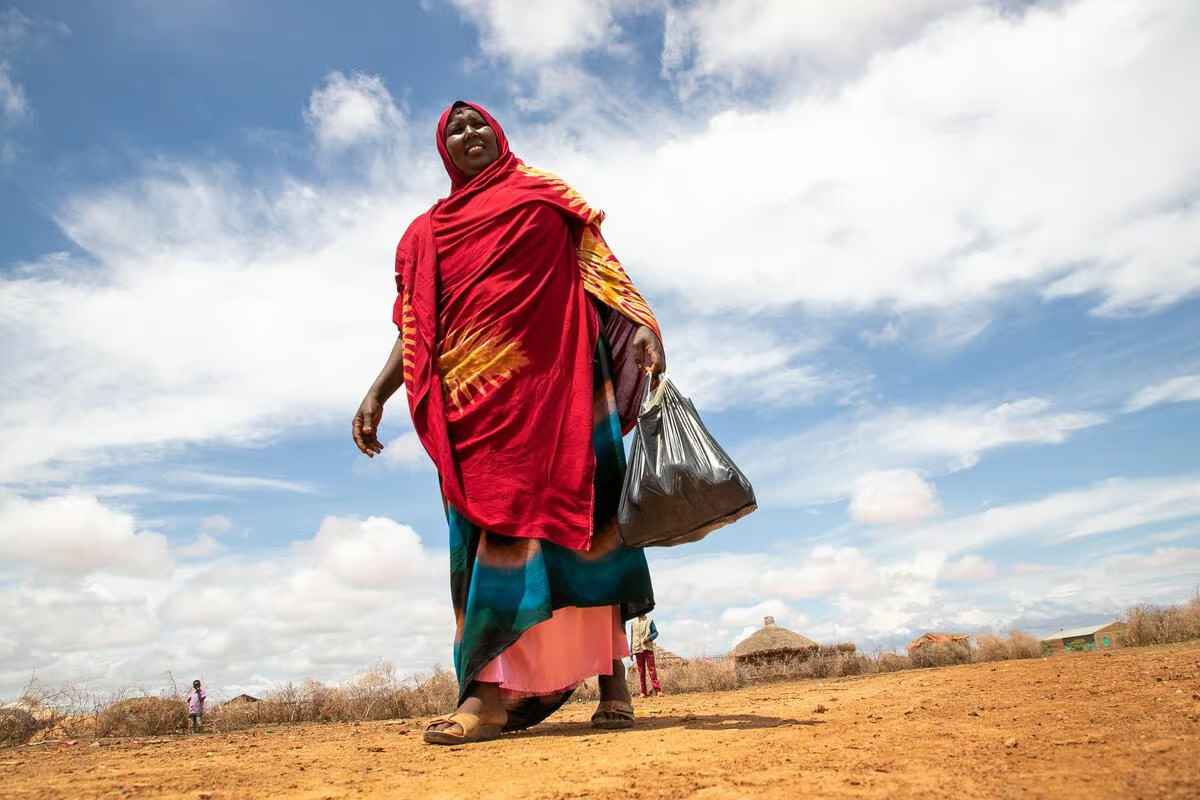
It’s a grim picture but it also presents ample opportunities for the public to get involved. A recent survey commissioned by World Food Program USA showed that there is a substantial knowledge gap among Americans concerning the connection between hunger and climate change. Barely over half of participants agreed that climate change is a driver of hunger. A similar percentage did not think or were unsure of the fact that one-third of global greenhouse gases come from food systems. A full 10% said they do not believe in climate change at all.
The World Is Not Waiting for Us to Catch Up
Already, people are collaboratively working to reduce the impacts of climate change on hunger by building resilient food systems. In Chad, for example, the United Nations World Food Programme (WFP) works with local communities to rehabilitate degraded land by establishing tree nurseries, recharging groundwater tables, capturing thousands of tons of carbon dioxide and enabling the production of nutritious food. There are countless success stories happening on a small scale across our planet, saving lives and livelihoods. These are the people most impacted by climate change, and they are fighting for their futures.
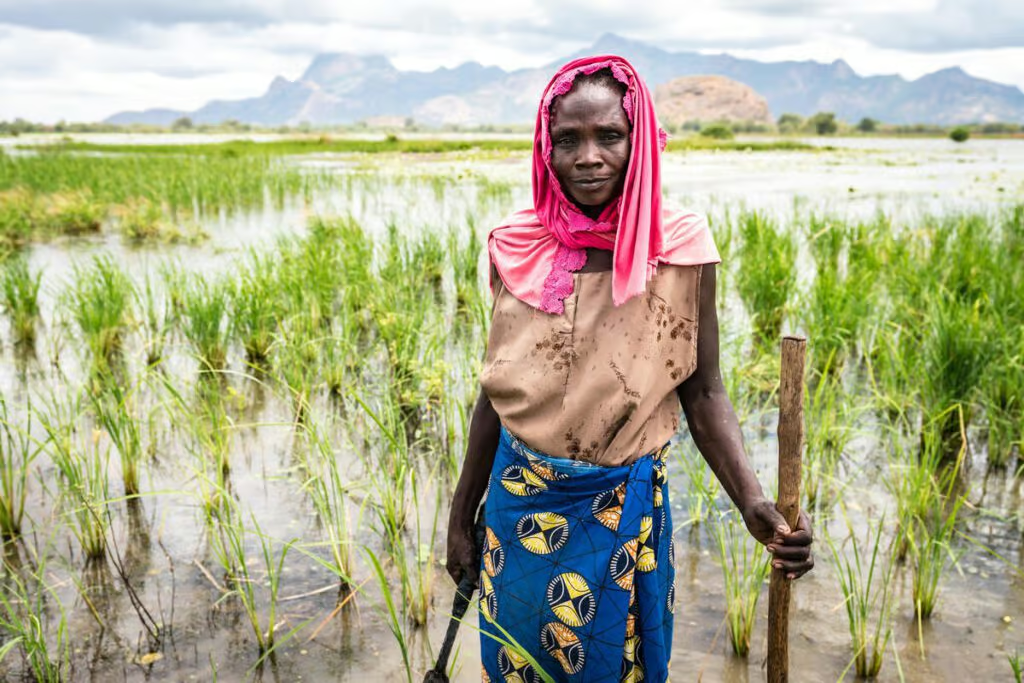
Now is the time for the American public to join them in solidarity and action. While 4 in 10 Americans believe global companies are primarily responsible for climate change, only half of that number trust them to play a positive role in addressing it. Similarly low numbers put their faith in local or national governments. And yet, 78% said they want to personally reduce their impact on climate change and its effect on global hunger. That gives us hope, and a path forward.
Three Ways We Can Become Part of the Solution
First, tackle your own contributions to climate change – starting with your plate. Channel your inner chef to come up with creative ways to use up leftovers and reduce food waste, be mindful of how much food you’re buying at a time, and compost when possible. Food waste alone produces 3 billion tons of greenhouse gases every year. Other ideas? Eat less meat, eat as seasonally as is possible, and keep a pad by the garbage bin in the kitchen to write down all the food you toss away. That will tell you what to buy less of.
We also urge you to contact your congressional representatives in Washington, D.C. to support measures that will rapidly curb global emissions and fund programs that build climate-resilient food systems. As Americans, our policies, industries and consumption habits have an outsized impact on the rest of world. If we want to curb hunger by mitigating climate change, we must hold our leaders accountable to act.
Finally, get involved with organizations already working on the ground in the world’s most vulnerable places so that they can scale up their efforts and invest in communities on the frontlines of climate change. It’s hard to know who to devote help to when tackling a challenge as big as climate change, so look to those organizations that have a proven track record and have built community trust. None of us are alone in this fight. There are people around the world working to change the course of our future. When you get to know their faces and stories, you’ll be as inspired as we are to join them.
This article originally appeared on Medium on November 10, 2022. It was written by Andrew Zimmern and Barron Segar.
Andrew Zimmern is an award-winning TV personality, chef, writer and United Nations World Food Programme Goodwill Ambassador.
Barron Segar is President and CEO of World Food Program USA, which proudly supports the mission of the United Nations World Food Programme.